ลําโพงคอมใช้ดี คนที่ชอบฟังเพลงไม่ควรพลาดกับ ลำโพงไร้สาย ที่พกพาได้สะดวกสบายจะเป็นอย่างไร?
ลําโพงคอมใช้ดี ลำโพงในปัจจุบันนี้ ถือว่ามีความทันสมัยมาก ซึ่งเป็นลำโพงแบบไร้สาย ที่เราสามารถพกพา ไปไหนมาไหนได้ทุกที่ ที่หลายคนเรียกกันว่า ลำโพงพกพา และหนึ่งในลำโพงแบบไร้สายก็คือ Harman Onyx Studio 5 ซึ่งจะมีราคาอยู่ที่ 1,299 บาท ลักษณะจะเป็นลำโพง ที่รูปทรงกลมขนาดเล็ก ที่มาพร้อมกับเสียงคุณภาพ
และมีเสียงดังฟังชัด ผู้ใช้งานสามารถนำไป วางได้ในทุกพื้นที่ อย่างสะดวกสบาย โดยจะมีผ้าหุ้มลำโพง ที่เป็นเกรดคุณภาพ ทำให้มีความนุ่มนวล อีกทั้งยังมีหูหิ้วของลำโพง ทำให้สามารถพกพก ไปตามสถานที่ต่างๆได้อย่างสะดวกยิ่งขึ้น และในเรื่องของความทนทาน
จะมีความแข็งแรง เรื่องจากใช้วัสดุเกรดพรีเมี่ยม ที่ขึ้นชื่อ ในเรื่องของ ความแข็งแรงทนทาน โดยจะมีแบตเตอรี่ ของลำโพงยี่ห้อนี้ ที่เป็นในแบบ Li-ion polymer ทำให้ผู้ใช้งานสามารถ เล่นเพลงได้ต่อเนื่อง ยาวนานถึง 8 ชั่วโมงแลจทีเดียว ถ้าหากว่าแบตหมด
ก็จะสามารถชาร์จได้ ใช้เวลาเพียงไม่ถึง 4 ชั่วโมง ในการชาร์จเต็ม 1 ครั้ง และยังสามารถเชื่อมต่อ กับลำโพงได้ถึง 2 ตัวพร้อมกัน และในเรื่องของสีลำโพง จะมีให้เลือก 2 สี จะมีทั้ง สีดำ และ สีเทา ให้เลือกได้ตามความต้องการ กับลำโพงเสียงดี ที่ทุกท่านไม่ควรพลาด
ลําโพงคอมใช้ดี ลำโพงเสียงดี ที่ใครได้ฟังเพลงผ่านลำโพงนี้ต้องติดใจกับเสียงที่มีคุณภาพ
ถ้าหากพูดถึงลำโพงเสียงดี จะต้องเป็นยี่ห้อนี้ Harman Kardon GOPLAYMINI ซึ่มีราคาอยู่ที่ 5,290 บาท คุ้มค่ากับคุณภาพเสียงแน่นอน ซึ่งได้มีการออกแบบ ที่มีความโดดเด่น ที่มาพร้อมกับฟังก์ชั่น และมีประสิทธิภาพสูง ที่เป็นพลังขับเคลื่อนของ Quad Drivers ทำให้เติมเต็มพลังเสียง และสามารถรับรู้ได้ถึงพลัง
ได้อย่างเต็มรูปแบบ และยังสามารถใช้งาน ได้ยาวนานถึง 8 ชั่วโมง เลยทีเดียว ทำให้เราสามารถเปิดเพลง ได้อย่างต่อเนื่องเลยทีเดียว และในส่วนของการเชื่อมต่อ จะเป็นการเชื่อมต่อโดยการ ผ่านทางระบบไร้สาย ที่หลายคนรู้จักก็คือบูลทูธ อีกที้งยังสามารถเชื่อมต่อ กับลำโพง Harman Kardon ได้ถึง 2 ตัวในครั้งเดียว
โดยการผ่านระบบไร้สาย ทำให้สามารถใช้งาน พร้อมกันได้อย่างดีที่สุด และยังสามารถเพิ่มพลังเสียง และวัสดุที่ใช้ก็มีคุณภาพ ที่ทำด้วยวัสดุพรีเมี่ยม โดยที่มีมือจับเป็นแบบสแตนเลส ที่มีความแข็งแรงทนทาง และในส่วนของผ้าหุ้มลำโพง ก็ยังมีความคงทนและมี
ความสวยงามอีกด้วย จึงทำให้ลำโพงยอดฮิตนี้ มีความทันสมัยที่สุด และสามารถตกแต่งบ้าน ได้อย่างลงตัวมากที่สุด ในส่วนของแบตเตอรี่ จะเป็นแบบชาร์จไฟ โดยที่สามารถใช้งาน ได้ยาวนานถึง 8 ชั่วโมง และยังสามารถรองรับ การใช้งานด้วยไมโครโฟน 2 ตัว
ลําโพงคอมใช้ดี ลำโพงใช้ทน ที่มาคุณภาพไม่ว่าจะใช้งานแบบไหนก็ไม่พังแน่นอนมาดูกันว่าเป็นอย่างไรบ้าง?
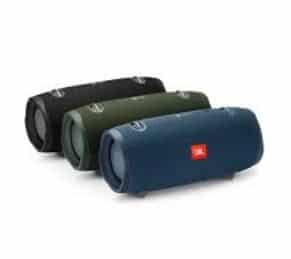
ถ้าพูดถึงลำโพงที่ มีความแข็งแรงทนทาน และเป็นลำโพงกันน้ำ จะมีอยู่หนึ่งยี่ห้อที่มีความทนททาน และมีเสียงที่มีคุณภาพ โดยจะเป็นลำโพง JBL Xtreme 2 ซึ่งเป็นลําโพงบลูทูธ ที่ออกแบบมาอย่างสวยงาม ไม่ได้แค่ความทนทาง แต่มาพร้อมกับสเตอริโอ ที่มีคุณภาพสูงด้วนพลังเสียง ที่เป็นแบบไดนามิก ไดร์เวอร์ โดยจะมีให้เลือก
ถึง 4 สีด้วยกัน และจะมีแบตเตอรี่ที่เป็นแบบ Li – ion โดยมีขนาด 10,000 mAh ทำให้สามารถเปิดเพลง ได้ต่อเนื่องยาวนานถึง 15 ชั่วโมง และที่สำคัญลำโพงรุ่นนี้ จะมีมีคุณสมบัติที่สามารถ กันน้ำได้อย่างยอดเยี่ยม ซึ่งอยู่ในระดับ IPX7 เลย โดยจะวัสดุทำจากผ้าแบบพิเศษ จึงทำให้มีความรู้สึกนุ่มลื่น ในการใช้งานลำโพงตัวนี้
จะใช้ได้อย่างสะดวกสบาย โดยที่จะมีเสียงเบสที่ดังแน่น กระหึ่มอย่างมากเลยทีเดียว อีกทั้งยังสามารถเชื่อมต่อ กับลำโพง Bluetooth ได้มากกว่า 100 ตัวอีกด้วย และในระบบของ JBL Connect ที่รับประกันด้วยคุณภาพ ที่ทุกคนจะต้องพึงพอใจ และยังมีราคาไม่แพง ที่ไม่ว่าใครก็สามารถซื้อได้ และยังได้เสียงที่ทีคุณภาพ ถือว่าคุ้มกับราคาสุด ใครกำลังมองหาลำโพงคุณภาพ ลำโพงรุ่นนี้ไม่ควรพลาด
ไม่ว่าจะเดินทางไปไหนก็พกพาได้สะดวกสบายกับ ลำโพงบลูทูธ
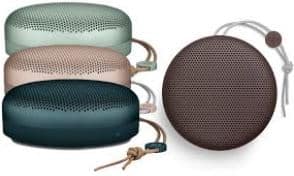
ลำโพงบลูทูธในปัจจุบัน กำลังได้รับความนิยม ซึ่งจะมีหลากหลายยี้ห้อ ให้เราเลือกใช้ตามต้องการ ซึ่งจะมีเสียงที่ต่างกัน และหนึ่งในลำโพงคุณภาพ ที่คนส่วนใหญ่เลือกใช้ จะเป็นลำโพง B&O Beoplay A1 ซึ่งเป็นลำโพงที่สวยงาม และมีเสียงคุณภาพสูง ซึ่งเป็นลำโพงนำเข้ามาจาก ประเทศเดนมาร์ก จะมีเสียงที่ทรงพลัง
และเบสนุ่มลึกถึง 360 องศา ที่สามารถเก็บทุกรายละเอียด ในการฟังเพลงได้อีกด้วย และยังสามารถเชื่อมต่อโทรศัพท์มือถือ ทั้งในระบบ IOS และ Andriod อีกด้วย ซึ่งลำโพงรุ่นนี้จะกำลังขับ อยู่ที่ 2 x 30W Class D for woofer and tweeter โดยที่ในตัวลำโพง
จะมีไมค์ไว้สำหรับการรับสาย และในส่วนการทำงาน ของแบตเตอร์นั้นสามาร ใช้งานได้อย่างยาวนานถึง 4 – 6 ชั่วโมง อีกทั้งยังสามารถพกพา ได้อย่างสะดวกสบาย กับรูปทรงที่สวยงาม และมีความโดเด่นอย่างมาก โดยจะมีสีให้เลือกทั้งหมด 4 สี ก็คือ สีเขียว สีดำ สีเงิน และสีเทา และยังมีห่วงคล้องแถมมาให้ ที่จะทำให้การใช้งาน ได้ดียิ่งขึ้นอีกด้วย
ลำโพงคอม ที่มีคุณภาพที่มาพร้อมกับเสียงอันทรงพลังและมีราคาไม่แพง
หนึ่งในลำโพงคอม ที่ถือว่าอยู่ในอันดับต้นๆ ของลำโพงเบสหนัก ที่ให้ทุกองค์ประกอบของเสียง แถมยังมีราคาไม่แพง แต่ได้เสียงที่มีคุณภาพ ที่หลายคนรู้จักกันดีกับ JIB SPEAKER CREATIVE GIGAWORKS T40 SERIES ll ซึ่งจะเป็นลำโพงแบบ 2.0 Channel เป็นลำโพงได้ออกแบบมา ที่มีความสวยงาม เ้วยเอกลักษณ์
ที่ไม่เหมือนใคร มาพร้อมกับเสียงคุณภาพ ที่การันตีด้วยคุณภาพ ที่เป็นการต่อยอดมาจาก ลำโพงที่ชนะรางวัลชนะเลิศอย่าง GigaWorks T40 ที่มีพลังการขับเสียงแบบ อคูสติก อีกทั้งยังสามารถขับเสียงเบส โดยการผ่านระบบ MTM ที่เป็รเทคโนโลยี BasXPort ทำให้มีพลังเสียงเบส ที่มีความหนักแน่น และยอดเยี่ยมอย่างมาก
ในส่วนของดอกลำโพง ก็ได้ผลิตมาจากไฟเบอร์ ทำให้มีความแข็งแรง และทนทานอย่างมาก ที่จะให้พลังเสียงแบบใสๆ และมีความแม่นยำ ด้วยระบบเสียงแบบสเตอริโอ ที่ทำให้ผู้ใช้งานในการฟังเพลง หรือการดูหนังได้อย่าง สมจริงมากนิางขึ้น ถือว่าเป็นทางเลือกใหม่
ในการรับชมสื่อต่างๆ ด้วยการใช้งานที่สะดวก และมีความง่ายดาย ครบทุกองค์ประกอบจริงๆ ที่ทุกคนจะต้องติดใจ เมื่อได้ใข้งานโดยกาน ผ่านทางลำโพงคุณภาพนี้ ถ้าหากว่าไม่ดีจริงละก็ คงไม่ได้รับความนิยม มากขนาดนี้ที่เป็นการต่อยอด มากจากลำโพงชนะเลิศ ในการแข่งขันระดับโลก ด้วยพลังเสียงที่มีคุณภาพ